







Search Results for: weak tea
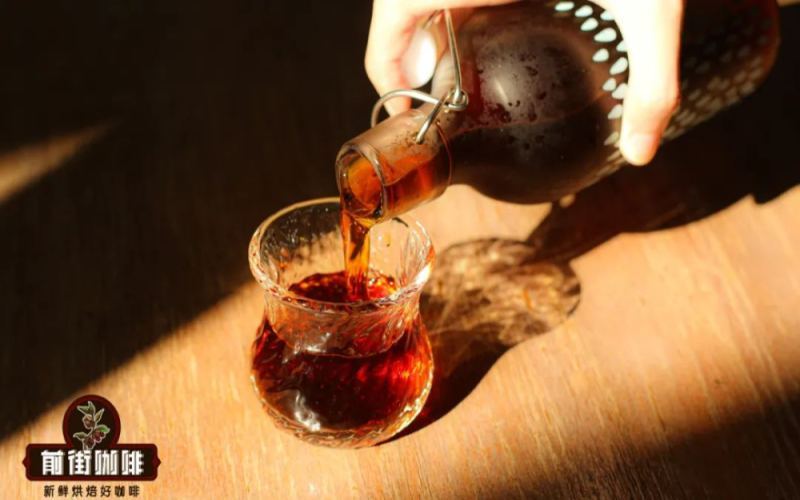
Why Is My Cold Brew Coffee Too Weak? A Complete Guide to Improving Extraction Strength with Tea Bags
Many people making cold brew coffee at home find that even when they use a higher coffee-to-water ratio, the resulting brew still tastes disappointingly weak, and they start to wonder whether they are simply missing professional cold brew equipment. In fact, the problem usually lies in the extraction method itself. In this article, Front Street Coffee will analyze the root causes of weak cold brew and share a practical little trick—using a non-woven tea filter bag to hold the coffee grounds for steeping—so you can significantly boost the strength of your cold brew without buying a dedicated cold brew bottle. The article also verifies the actual effectiveness of tea-bag cold brew through a comparative experiment using two groups of beans, a light roast and a dark roast, and includes specific operational recommendations. [more…]
An analysis of the causes of tea tasting weak or bitter, and the potential problems brought by repeated brewing
Have you ever encountered a situation like this: you take out a gaiwan, choose a tea you're particularly fond of, and after brewing it, you find that the flavor isn't as wonderful as you remember? Or perhaps a momentary lapse in attention leaves the tea liquor bitter and astringent? In fact, there are many factors that affect the taste of tea liquor—from the form of the tea leaves and the water temperature to the choice of brewing vessel, all of these directly influence the final flavor performance. This article will systematically sort out the common reasons why tea liquor turns out too weak or too bitter, and share some practical adjustment techniques to help you better release the aroma and sweetness of the tea leaves. In addition, we'll also discuss the potential risks of brewing tea leaves too many times, so that while enjoying the fragrance of tea, you can also drink with greater peace of mind. [more…]
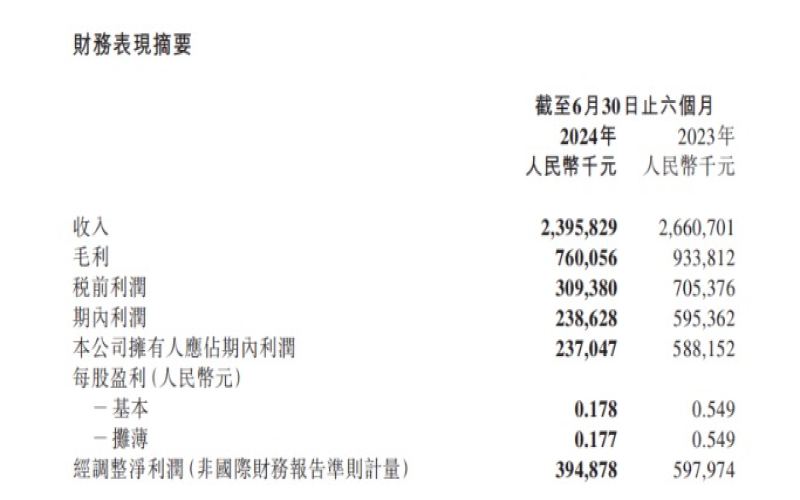
Tea Baidao's first semi-annual report after listing is out: net profit fell nearly 60% year-on-year, with franchise support and supply chain weaknesses in the spotlight.
The first half-year report delivered by ChaPanda after its listing in Hong Kong shows that both revenue and net profit declined in the first half of 2024, with net profit falling by nearly 60% year-on-year. The company attributes this to increased support for franchisees and greater market investment. At the same time, the number of stores continues to grow, but its market value has shrunk significantly, and its reliance on external suppliers for its supply chain is also seen as a key weakness. This article will sort through the core data in the financial report, the adjustments to franchise policy and their knock-on effects, and compare the competitive landscape of the industry, to help coffee and tea beverage enthusiasts understand the challenges this brand currently faces. [more…]

How Should You Set the Coffee-to-Water Ratio and Steeping Time for Cold Brew? Analyzing the Causes of Weak Flavor in Iced Brew
When making cold brew coffee at home, the steps aren't complicated, yet the result always turns out bland and tasteless? The problem often isn't your technique, but the parameters and details. Drawing on Front Street's practical experience, this article breaks down four key aspects of cold brew coffee—the coffee-to-water ratio, steeping time, grind size, and stirring frequency—explains why iced brewed coffee tends to be weak, and offers specific adjustments to make your cold brew richer and more aromatic. Whether you prefer drinking it over ice or straight, you'll find a suitable concentration reference. [more…]
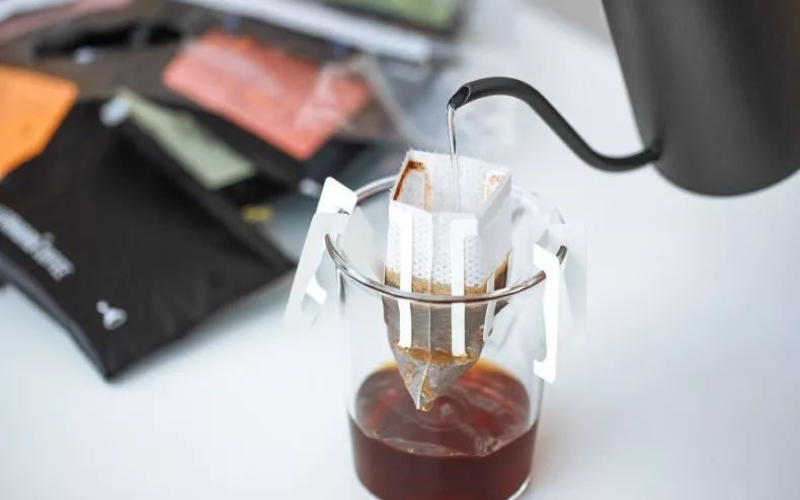
Beginner's Guide to Drip Bag Coffee: Brewing Highlights, Reasons for Weak Flavor, and Front Street's Classic Drip Bag Bean Recommendations
For busy office workers with limited time, drip coffee bags are an ideal choice that balances convenience and flavor. This article begins with the origins of drip coffee, introduces its design principles and advantages, analyzes why the coffee sometimes comes out tasting weak, and explains in detail water temperature control, coffee-to-water ratios, and the specific steps of staged pouring. It also addresses common questions such as whether blooming is necessary and how to pour water, and recommends a variety of classic single-origin beans from Front Street Coffee that are well suited for making drip bags, helping you easily enjoy a full-bodied, aromatic cup of black coffee right at the office. [more…]
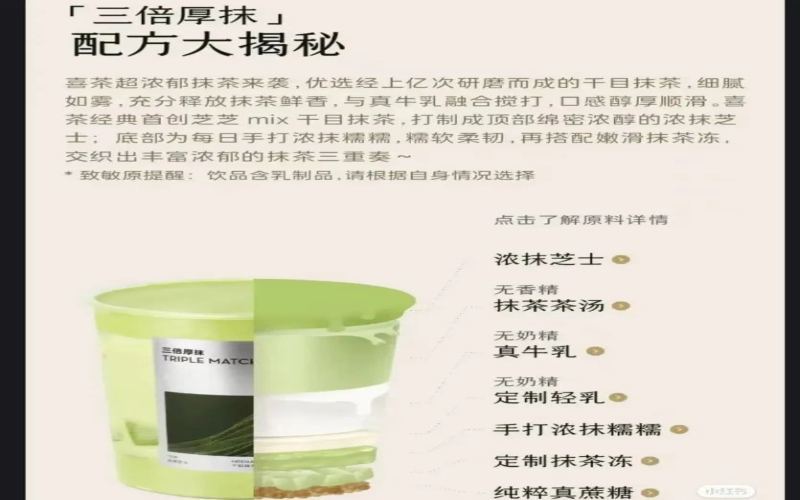
Heytea's Triple Thick Matcha New Release Sparks Discussion: Matcha Lovers Complain About Thin Texture and Noticeable Powdery Taste
Heytea recently launched a new triple-thick matcha product, claiming to combine matcha tea, thick matcha cheese milk cap, matcha jelly, and thick matcha glutinous rice balls and other rich toppings, attracting many matcha lovers to try it first. However, the first wave of feedback showed a clear gap from expectations: many consumers complained that the glutinous rice balls were runny and not chewy, even describing them as hard to swallow; the matcha drink had a heavy powdery taste, leaving the mouth dry and the throat coated after drinking; despite being called "triple-thick matcha," the tea flavor was rather weak, and even adding more intensity brought limited change. Matcha enthusiasts, after comparing the Heytea series with the rich, sweet aftertaste they idealize, gave comments such as "watery" and "thin and bland." The brand may have blended milk and syrup to cater to mass tastes, but this is far removed from the bitter depth and sweet finish pursued by seasoned matcha lovers. [more…]
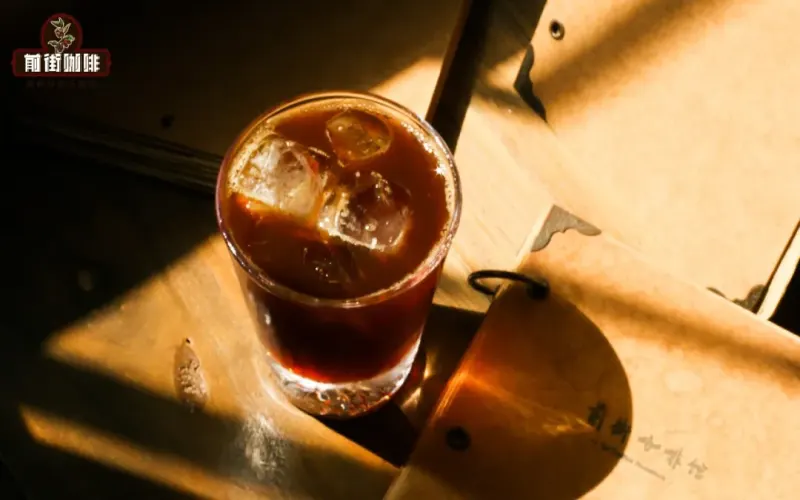
A Complete Guide to Making Cold Brew Coffee at Home: Master the Right Grind and Brewing Method to Easily Achieve a Sweet, Flavorful Cup
Cold brew coffee is loved by many coffee enthusiasts for its high sweetness, low acidity, smooth mouthfeel, and low barrier to entry. However, many people find when they try it at home that the finished product tastes weak and thin, and even grinding the coffee finer doesn't seem to help. The root of the problem may actually lie in grinding too fine—the fine particles clump together after absorbing water, which instead reduces extraction efficiency. This article will systematically analyze this counterintuitive phenomenon and offer three practical solutions: coarsening the grind, portioning the coffee grounds into tea bags, and stirring at regular intervals during the steeping process. At the same time, Front Street will also share coffee bean selections suitable for cold brew and specific brewing parameters, to help you easily make a rich, full-bodied cup of cold brew coffee at home. [more…]
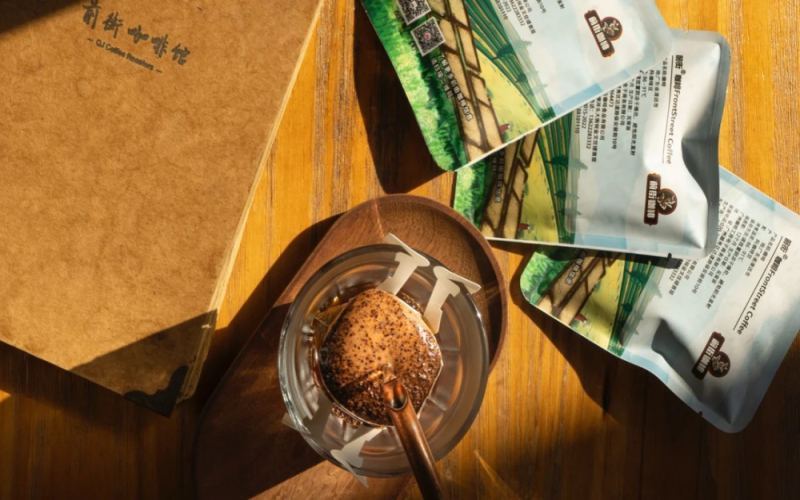
Can drip coffee bags be brewed twice? How to fix weak coffee—a detailed guide to proper brewing steps and practical tips
Drip bag coffee is deeply loved for its portability, but many people have misconceptions when brewing it: Can it be steeped directly like a tea bag? Can water be added a second time? From the perspective of Front Street Coffee, this article analyzes the correct logic for using drip bags—it is essentially close to pour-over and requires filtration extraction rather than dissolution. The article covers the importance of fresh roasting, recommendations for the optimal flavor period, water temperature control at 88-91°C, and an illustrated four-stage pouring guide, helping you consistently brew a cup of rich, aromatic black coffee at home. At the same time, for different flavor preferences, Front Street recommends two drip bag coffees, Sun-Dried Huakui and Golden Mandheling, balancing light fruity notes with rich, full-bodied depth. [more…]
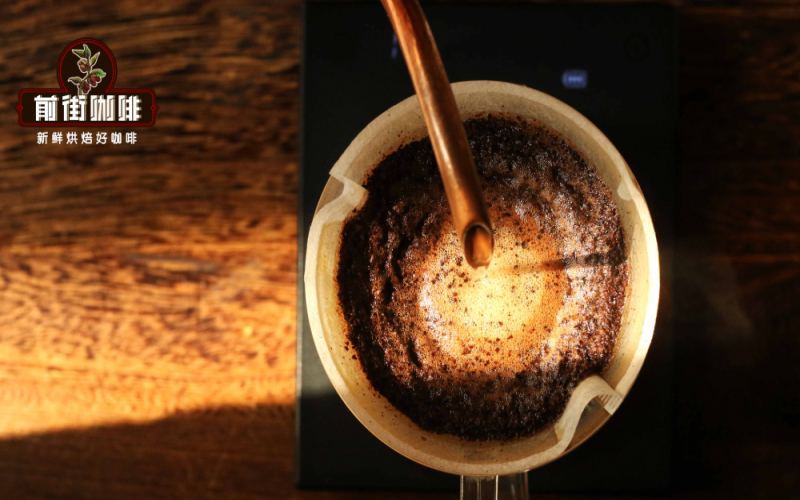
Pour-over coffee tastes too weak and watery? Analyzing the causes and adjustment methods from two aspects: under-extraction and low concentration.
Many coffee enthusiasts have encountered the situation during pour-over brewing where the coffee tastes bland and drinks like water, and even experienced veterans find it hard to completely avoid. There are two main categories of reasons why coffee turns out too weak: one is under-extraction, and the other is too low concentration. Starting from Front Street Coffee's brewing experience, this article first helps you determine whether the coffee beans you've chosen match your taste preferences, then takes a deeper look at how under-extraction and too-low concentration each manifest and what causes them, and offers specific adjustment ideas for parameters such as grind size, water temperature, coffee-to-water ratio, and brewing time. As long as you understand the underlying logic of extraction, no matter whether the coffee is too strong or too weak, you can quickly identify the problem and correct it. [more…]

Luckin launches another light milk tea product: Raw Coconut Ceylon hits the market, a new attempt combining coconut aroma with black tea
After Liu Yifei endorsed the Light Jasmine Light Milk Tea, Luckin Coffee continues to double down on the tea beverage track, launching its first raw coconut light milk tea — Raw Coconut Ceylon Light Milk Tea. The new product uses raw coconuts imported from Southeast Asia, with freshly squeezed coconut meat juice and coconut water accounting for no less than 38%, paired with Ceylon black tea, and claims to be 0 lactose. Luckin's move is intended to deepen its "coffee in the morning, tea in the afternoon" all-scenario layout. However, many consumers on social media have reported that the product is too sweet, with the tea aroma and coconut flavor being rather weak, and professionals have also pointed out that the balance between tea and milk is less than ideal. This article will provide a comprehensive analysis of the new product's features, market strategy, and consumer reviews. [more…]
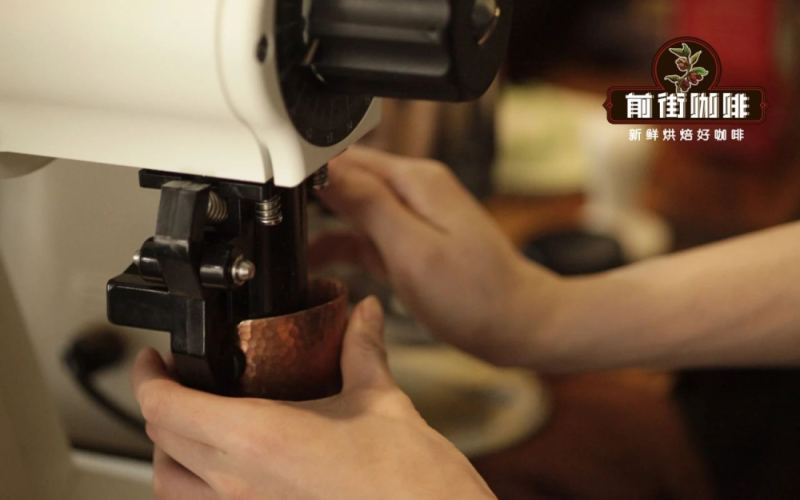
Filter Coffee | What Is Drip Bag Coffee? What Are the Pros and Cons of Drip Coffee Bags? Why Does Drip Bag Coffee Taste Weak?
For office workers who love coffee and want a rich cup of black coffee but don't have enough time to brew a full ceremonial pour-over, drip bag coffee is our "savior." Why is it called "drip bag"? The earliest drip bag coffee was invented in 1990 by Yamanaka Sangyo Co., Ltd. in Japan. [more…]
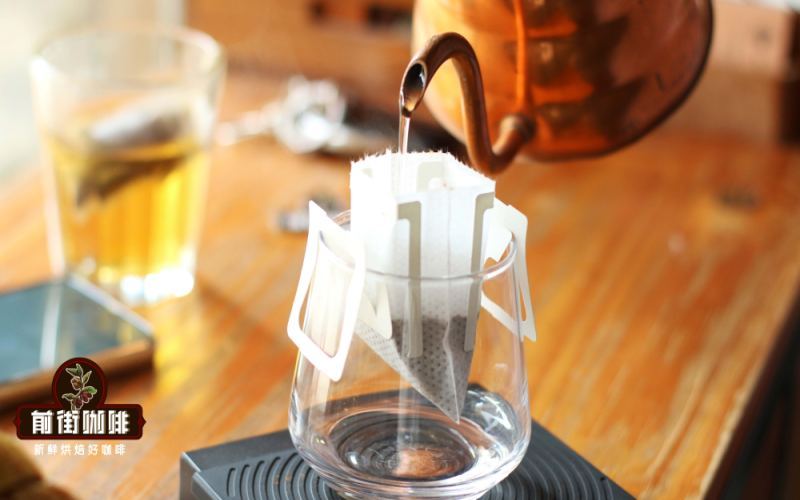
Mantenin Yirgacheffe Drip Coffee Flavor Analysis and Brewing Tips: Solutions for Too Sour, Too Bitter, or Too Weak
Drip coffee bags are not limited to a single flavor—like pour-over coffee, they offer a rich variety of types, broadly categorized into three major groups: floral, fruity, and full-bodied. Understanding these classifications can help you find the one that best suits your taste. Mandheling and Yirgacheffe, as classic representatives, belong to the full-bodied and floral types respectively, with significantly different flavors. So, what exactly do these drip coffee bags taste like? And if you encounter problems during brewing—too sour, too bitter, or too weak—how should you fix them? This article will analyze the flavor characteristics of drip coffee bags in detail and provide practical brewing adjustment methods, so you can easily brew a cup of ideal black coffee. At the same time, we will also recommend quality drip coffee bag products from Front Street Coffee to satisfy different taste preferences. [more…]
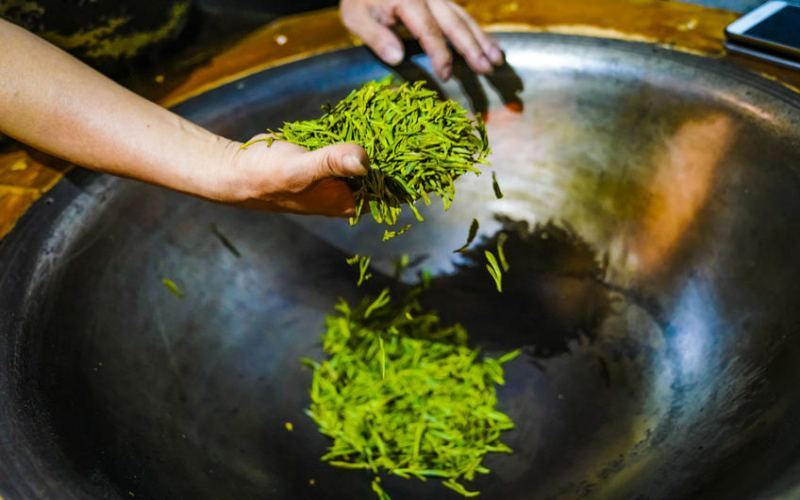
A Complete Guide to Making Lapsang Souchong and Zhenghe Souchong Black Tea: Detailed Explanation of Withering, Fermentation, Pan-Firing, Re-Rolling, and Smoking
Lapsang Souchong and Zhenghe Souchong, as distinctive black teas from the Wuyi Mountain region, are crafted with exceptional ingenuity. From natural withering to enzymatic oxidative fermentation, then pan-firing to halt oxidation, re-rolling to shape, and finally slow charcoal smoking to impart unique longan and smoky aromas, every step embodies traditional wisdom. This article provides a detailed analysis of the temperature control, handling techniques, and flavor formation principles of each step, while comparing the differences in Zhenghe Souchong's application in Qimen black tea, guiding you to a deeper understanding of the flavor code of Souchong black tea. [more…]
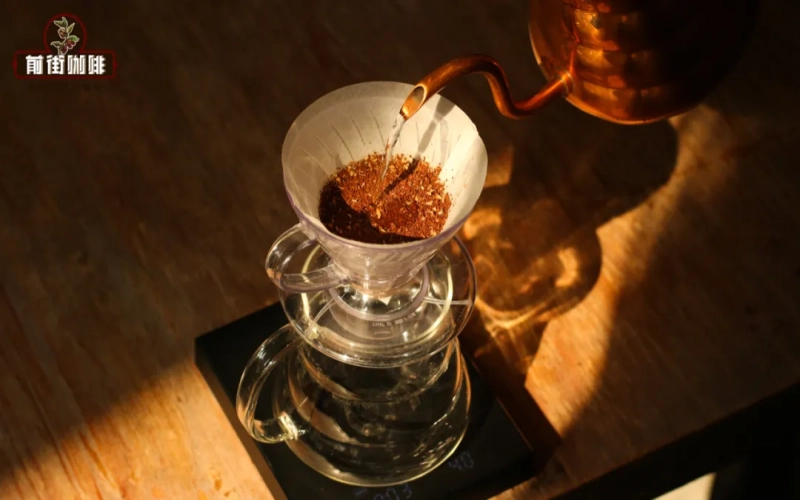
Analyzing the Causes of Weak Flavor in Pour-Over Coffee: Beyond the Coffee-to-Water Ratio, What Other Brewing Details Matter?
Many coffee enthusiasts encounter a situation where their pour-over coffee tastes weak and feels thin on the palate. People tend to attribute this to the coffee-to-water ratio right away, but in reality, far more factors than that affect coffee strength. Low extraction efficiency and excessive bypass water can also prevent flavor compounds from being fully released, ultimately resulting in a bland cup. This article will analyze the issue from three angles—coffee-to-water ratio, extraction efficiency, and bypass water—and, drawing on the characteristics of light-roast beans, share the specific brewing parameters and pouring techniques for Front Street Coffee's Yirgacheffe Gudingding, helping everyone avoid the problem of weak flavor and brew a cup of coffee with moderate strength and rich layers. [more…]
Drip Bag Coffee Flavor Selection Guide: Mandheling and Yirgacheffe Taste Analysis and Tips for Fixing Too Sour, Too Bitter, or Too Weak Coffee
Drip bag coffee is not limited to a single type; like pour-over coffee, it offers a rich variety of flavor choices. Drip bags on the market can be broadly divided into three major categories: floral, fruity, and full-bodied, each corresponding to different roast levels and flavor characteristics. Floral types are mostly presented with light-to-medium roasts, showcasing fresh notes like jasmine and citrus; fruity types deliver the full sweetness of tropical fruits and berries; while full-bodied types primarily use medium-dark roasts, offering a solid and intense mouthfeel. Understanding these categories can help you quickly find drip bag products that suit your taste. This article uses several drip bags from the Front Street brand as examples to analyze the characteristics of each flavor type in detail, and includes simple brewing steps, while also providing specific adjustment methods for the common problems of drip bag coffee being too sour, too bitter, or too weak. [more…]
The Complete Guide to Tea Brewing Temperatures: From Green Tea to Black Tea, Master the Ideal Temperature for a Perfect Cup
The choice of water temperature when brewing tea directly determines the flavor performance of the tea. Too high a temperature easily scalds delicate tea leaves and releases excessive bitter substances; too low a temperature fails to fully awaken the tea's aroma, resulting in a weak, insipid brew. Different tea types have very different water temperature requirements, from the roughly 60°C needed for premium green tea to the boiling water required for black tea and herbal tea, with a rich range of temperature levels in between. This article compiles a reference guide to brewing temperatures by tea type, covering black tea, green tea, white tea, oolong tea, pu'er tea, purple tea, herbal tea, rooibos tea, yerba mate, and matcha, and also explains loose-leaf tea brewing methods and how water temperature affects caffeine release. Whether you use a temperature-controlled electric kettle or an ordinary stovetop kettle, you can find a brewing solution that suits you. [more…]
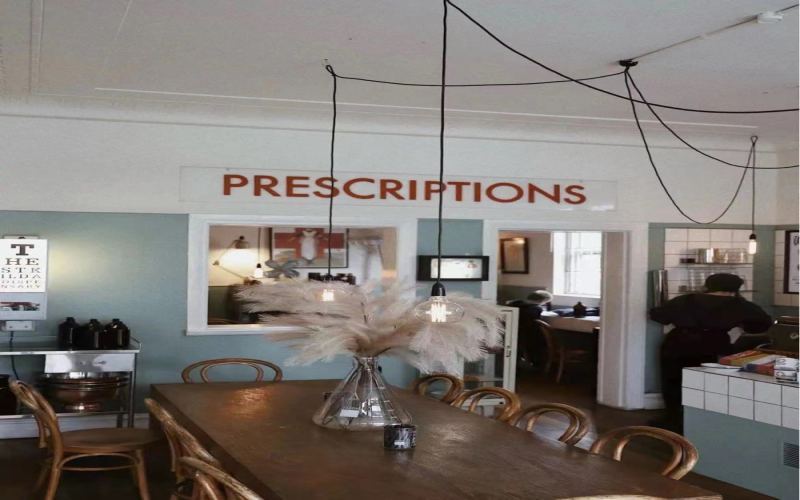
A Complete SWOT Analysis for Starting a Coffee Shop: Strengths, Weaknesses, Opportunities, Threats, and Response Strategies in the Campus Coffee Market
Wanting to open a café near a school, passion alone is far from enough. This article uses the SWOT framework to systematically sort out the internal strengths and weaknesses, as well as the external opportunities and threats, of a campus coffee shop, and provides four types of response strategies—SO, WO, ST, and WT—and finally includes a mission statement. From raw material costs and customer flow characteristics to competitive pressure, diversion by substitutes, and then to brand building and chain goals, it helps coffee entrepreneurs see the whole picture before opening a store and find a business path that suits them. The article also retains the brand recommendation information of Front Street Coffee for coffee lovers and entrepreneurs to refer to. [more…]
Why Do Pour-Over, Espresso, and Cold Brew Coffee Taste Salty? Analyzing the Causes and Adjustment Ideas for Cold Brew's Weak Flavor
The taste of coffee does not have only three dimensions—sourness, sweetness, and bitterness. Saltiness also objectively exists in the coffee liquid, but it is usually masked by other flavors. When an obvious salty taste appears in a pour-over, espresso, or cold brew coffee, it often means that there is a problem in one of the links: bean quality, water quality, or brewing parameters. Starting from the daily communication cases of Front Street Coffee, this article sorts out the sources of saltiness in coffee, analyzes the two typical situations of under-extraction and excessively high concentration, and gives judgment methods and directions for parameter adjustment. At the same time, in response to the problem that cold brew coffee tastes too weak, the article also provides bean selection suggestions to help coffee lovers make a cup of cold brew with clear flavor and balanced acidity and sweetness in summer. [more…]
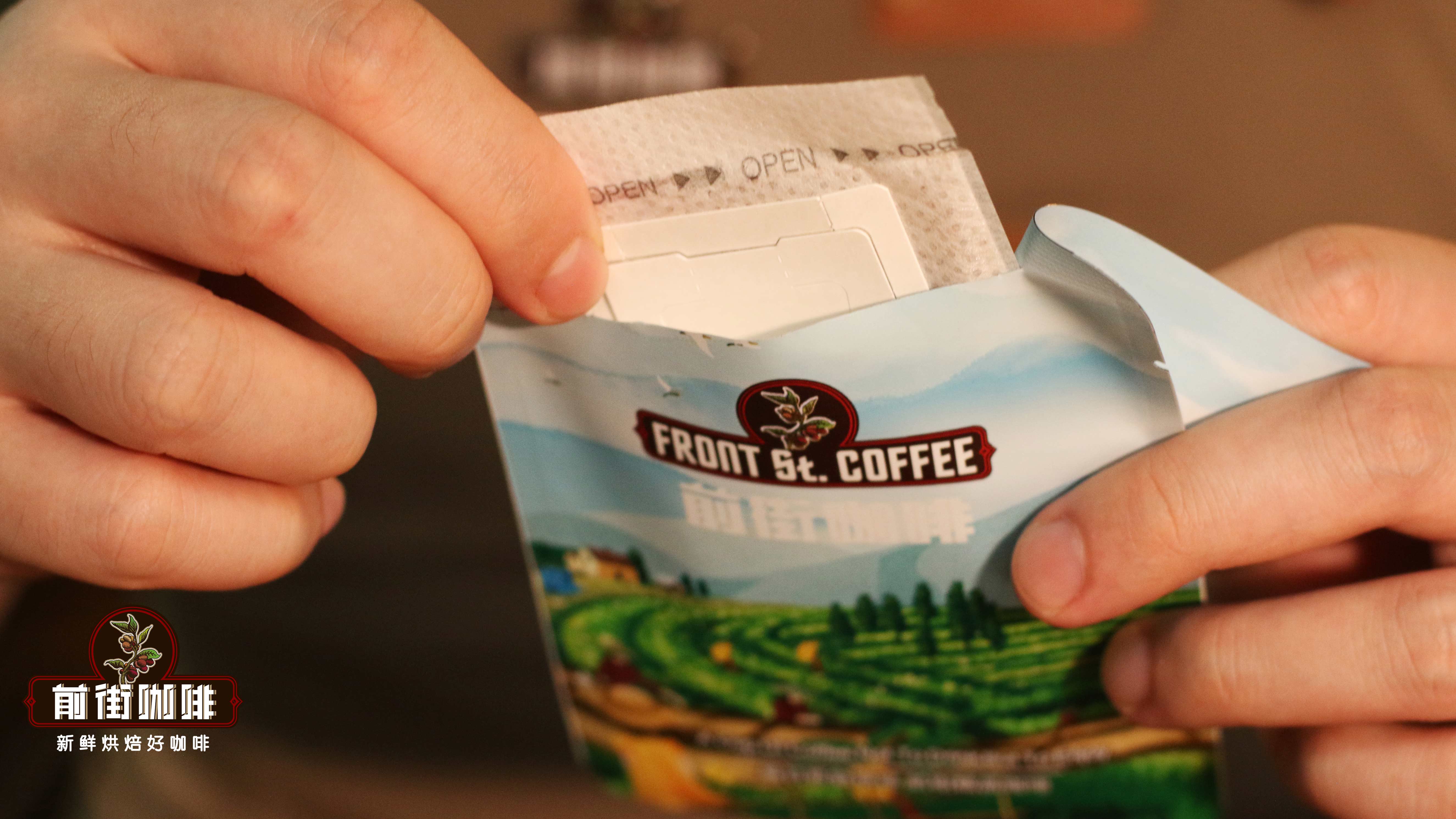
A Beginner's Guide to Drip Coffee Bags: Origin Story, Brewing Techniques, and Flavor-Boosting Secrets
For office workers who are short on time but refuse to settle for a mediocre cup of coffee, drip coffee bags are almost the ideal solution. They require no complicated equipment—just hot water and a cup are enough to complete the extraction—yet many people find in practice that the coffee they brew always turns out weak and lacking in aroma. This article will start with the origins of drip coffee bags, explain why they are called "hanging ear," analyze the reasons their flavor tends to be thin, and share the water temperature, coffee-to-water ratio, and staged pouring techniques that Front Street Coffee has summarized through actual brewing. In addition, it compiles three classic coffee beans suitable for making drip coffee bags, covering Yirgacheffe, Brazil Queen's Estate, and Sidamo Flower Kui, helping you easily obtain a richly layered cup of black coffee even at the office. [more…]
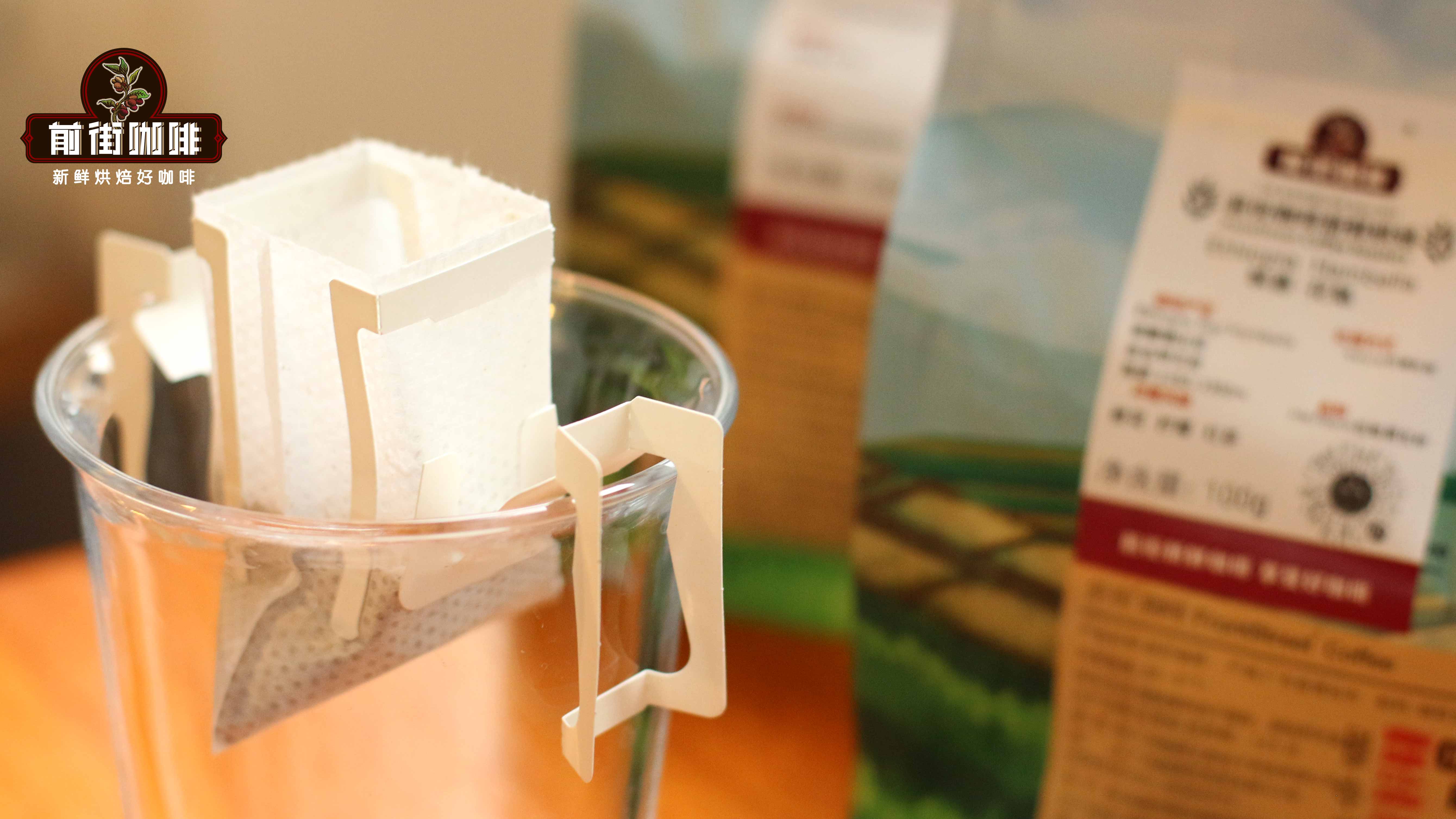
How to brew drip bag coffee so it tastes good? Illustrated standard operating procedure and practical tips analysis
For coffee lovers who frequently travel for business, go on trips, or work in an office, it is not realistic to have a pour-over coffee anytime, so drip bag coffee has become an ideal substitute that balances convenience and flavor. However, although the drip bag looks simple, many people fail to grasp the key points when using it, and some even brew it directly in water like a tea bag, which naturally results in a weak and flavorless cup. This article will start with the origin of drip bag coffee, sort out its similarities and differences with pour-over, and include detailed step-by-step water-pouring illustrations to help you master the correct brewing rhythm. It will also explain the impact of key details such as water temperature and flow rate on extraction, and summarize the flavor characteristics of several popular Front Street Coffee drip bag products for reference when purchasing. [more…]